
Tempest & Triumph
Saturday, May 8, 2027 - 7:30pm
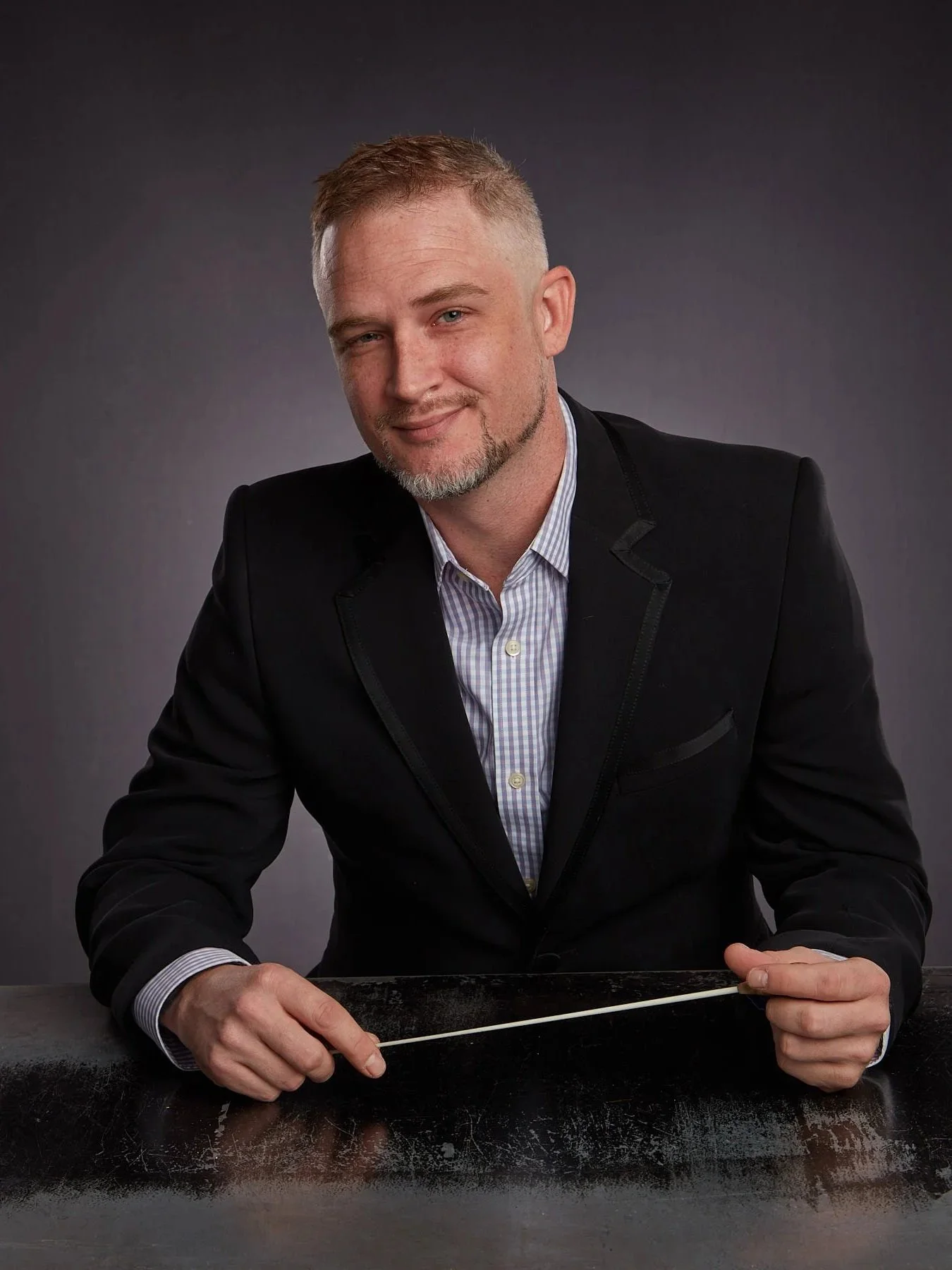
James Welsch
conductor
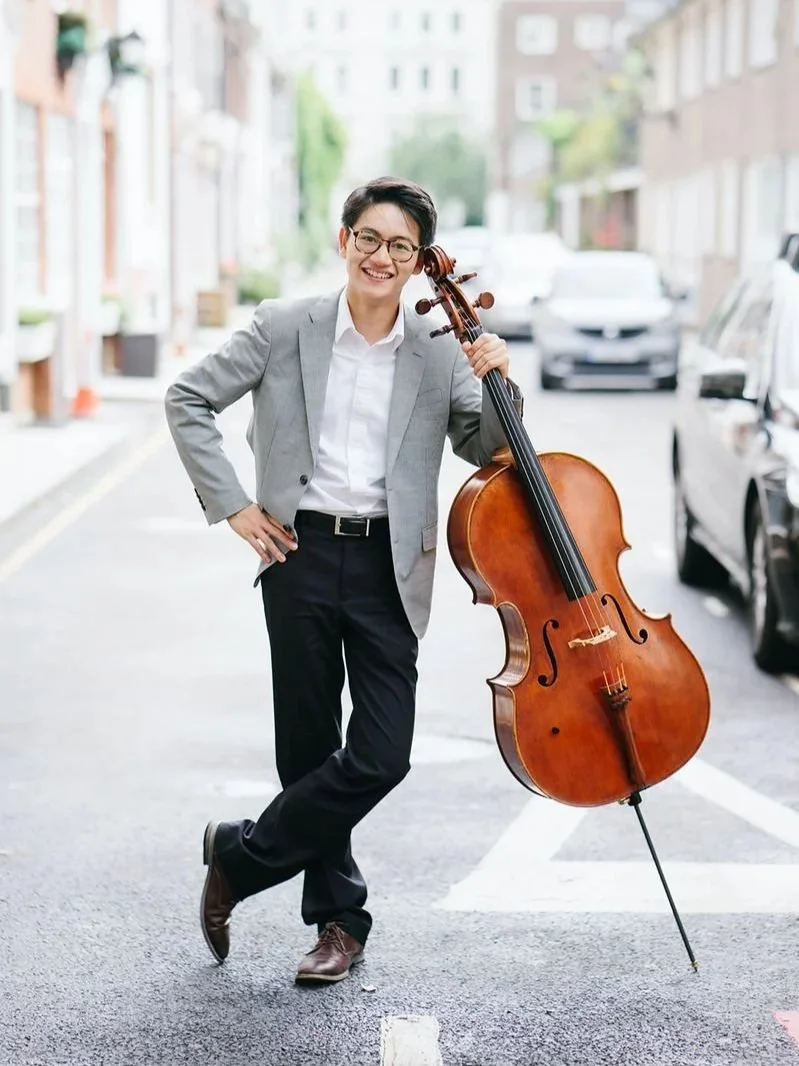
Nathan Chan
cello
Storms rage. Fate knocks. Music wins.
James Welsch, conductor & Music Director candidate
Nathan Chan, cello
Ethel Smyth: Overture to The Wreckers
Dimitri Shostakovich: Cello Concerto No. 1
Pyotr Tchaikovsky: Symphony No. 4 in F minor
A season finale of pure drama: Ethel Smyth's storm-tossed Wreckers Overture, Shostakovich's electrifying First Cello Concerto with soloist Nathan Chan, and Tchaikovsky's Fourth Symphony, a battle with fate that ends in blazing triumph. Come for the tempest, stay for the victory.
The Vibe
Here’s what this concert feels like, who it’s right for, and what to bring with you.
Type of Evening
This concert works well as:
- A high-drama season finale
- Edge-of-your-seat intensity
- A night of big emotions
- A chance to go out with a bang — the last concert of the season
What to Expect
From your seat, you can expect:
- Storms, fate, and fireworks
- A cellist on fire
- Tchaikovsky’s most gripping symphony
- A finale that brings the house down
Come With
To get the most out of the night, bring:
- Your whole heart
- An appetite for drama
- Energy for a standing ovation
At the Same Time
Each of these works arrived in a particular moment. Here’s what else the world was doing the year it was first heard.
Symphony No. 4
Pyotr Ilyich TchaikovskyTchaikovsky’s Fourth was first performed in Moscow on February 22, 1878 — the same week Thomas Edison was granted his patent for the phonograph, the machine that would let anyone hear a symphony without an orchestra in the room.
Overture to The Wreckers
Ethel SmythEthel Smyth’s The Wreckers reached the stage in Leipzig in 1906 — the same year W. K. Kellogg founded the Battle Creek Toasted Corn Flake Company in Michigan, the beginning of Kellogg’s.
Cello Concerto No. 1
Dmitri ShostakovichRostropovich gave the first performance of Shostakovich’s First Cello Concerto in Leningrad in 1959, having memorized it in four days — the same year Alaska, bought from Russia ninety-two years earlier, became the forty-ninth state.